ॐ सर्वे भवन्तु सुखिनः सर्वे सन्तु निरामयाः । सर्वे भद्राणि पश्यन्तु मा कश्चिद्दुःखभाग्भवेत् ।

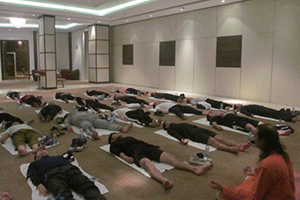
Shava asana, distinct sha-wa asana, means the "pose of the corpse." Shava asana is the prime position applied in yoga for relaxation, one in which we attempt to literally mimic the 'lifeless state' by completely letting go of all conscious tension.
Shava asana in Sanskrit means the dead corpse and it involves total relaxation of the body making it the most difficult of the poses however easy it may appear. The practitioner of this body imitates the dead body in the posture.
Technique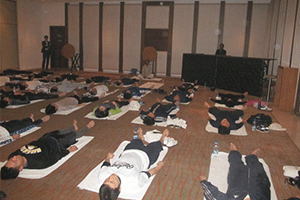
Many teachers often direct students to split their legs and to keep their arms away from the body in shava asana. This looser posture is actually known as mritya asana, and although it is similar to shavasana and can be a useful position for certain relaxation-related practices, shava asana is the ideal position for the ultimate relaxation.
What's a mantra?
The Sanskrit word 'mantra' came into common English usage in the 1970s as millions of people around the world learned the TM technique. The word now appears in English dictionaries, defined as “a repeated word or phrase.”
The different categories of mantra meditations use an apparently endless diversity of "mantras" and use them in many different ways. Some types of mantra meditation are religious — others, such as TM practice, are free from any religious context.
The word 'mantra' has a particular meaning in the Transcendental Meditation program: it is a vehicle for transcending — to go ahead of mental activity to higher and higher stages of the thinking process, until one arrives at the level of pure realization at the source of thinking. This experience is described as the deepest, most powerful and creative level of mind, a state of pure potentiality.
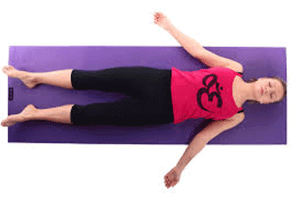
Savasana- Sava=corpse, Asana=posture